Household Industry
Role of Injection Molding in Household Product Manufacturing
A widely used process in the household industry, injection molding machines is used to produce a wide range of plastic products that contribute to the daily needs of consumers. This manufacturing method consists of heating plastic pellets until they are melted, then injecting the melted thermoplastic into a specially designed mold. Once cooled and solidified, the thermoplastic becomes the desired final product. The injection molding process is highly efficient, accurate, and provides a consistent product every time, making injection molding one of the most trusted ways of producing plastic household goods.
Cost Efficiency and High-Volume Production
The major benefit of injection molding from the perspective of a manufacturer in the household industry is that it allows for the production of plastic goods at a lower overall cost for the manufacturer. The investment required for tooling and mold creation can be significant, but as the volumes of production increase, the amount spent per unit decreases significantly. Thus, manufacturers are able to offer high-quality household products to their consumers at competitive prices.
Wide Range of Household Applications
Injection molding is a popular method for manufacturing many types of household products that require uniform quality and durability. Commonly manufactured products, such as brooms, buckets, cleaning caddies, and dustpans, are usually manufactured this way because they need to be lightweight yet strong. Decorative products, such as vases, picture frames, and storage boxes, can be manufactured using injection molding technology because it enables the production of smooth, visually pleasing product finishes.
Storage and Organization Solutions
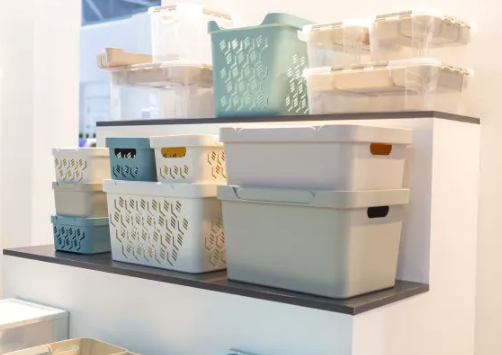
Storage and organization products are another major category in the household products industry and are usually produced via injection molding. Examples of these products include toothbrush holders, shower caddies, soap dispensers, and bathroom organizers. Each of these products is manufactured using injection molding and is designed for ease of use and long-lasting functionality. The use of injection molding technology also enables manufacturers to produce ergonomic products that make use of available space and are built to withstand the rigors of everyday use by consumers.
Furniture and Structural Components
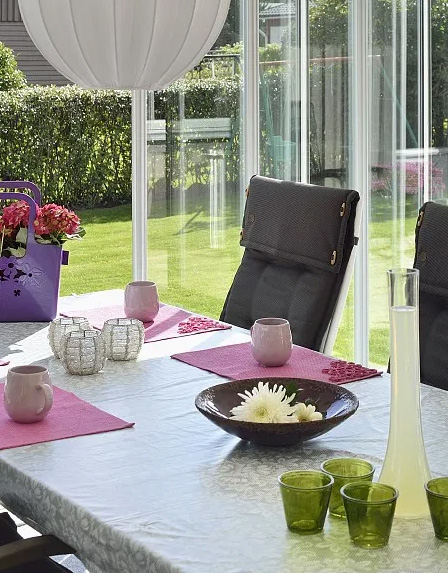
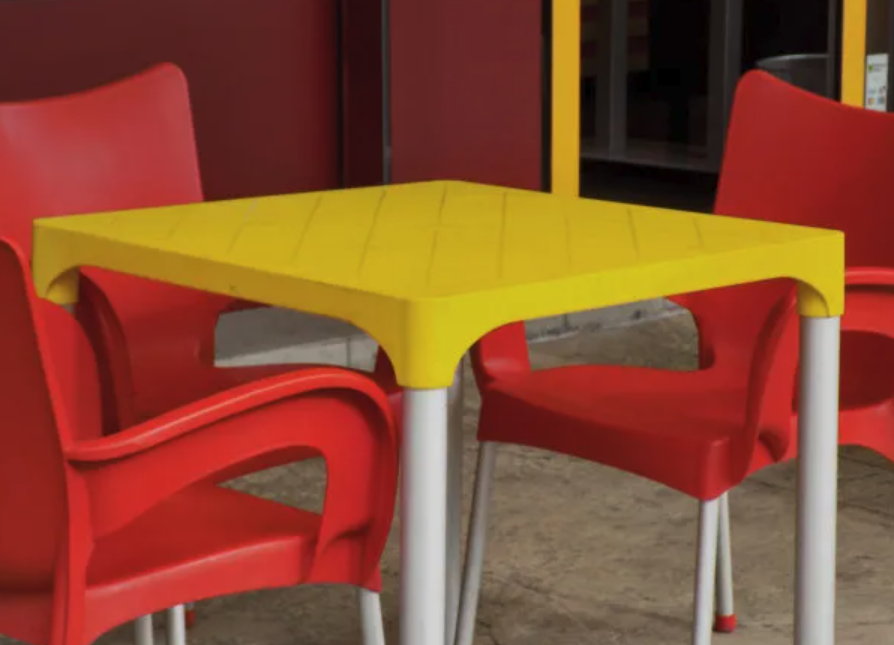
Injection molding is also a method used by manufacturers of household furniture to produce plastic components for chairs and tables. The inclusion of molded plastic parts as part of the structural support of a chair or table provides the end consumer with a packaged and easy-to-move piece of furniture. Injection molding also makes it possible for manufacturers of storage-type furniture, such as shelving products and storage bins, to produce strong, uniform, and reliable components that will be usable for long periods of time.
Electronic Appliance Casings
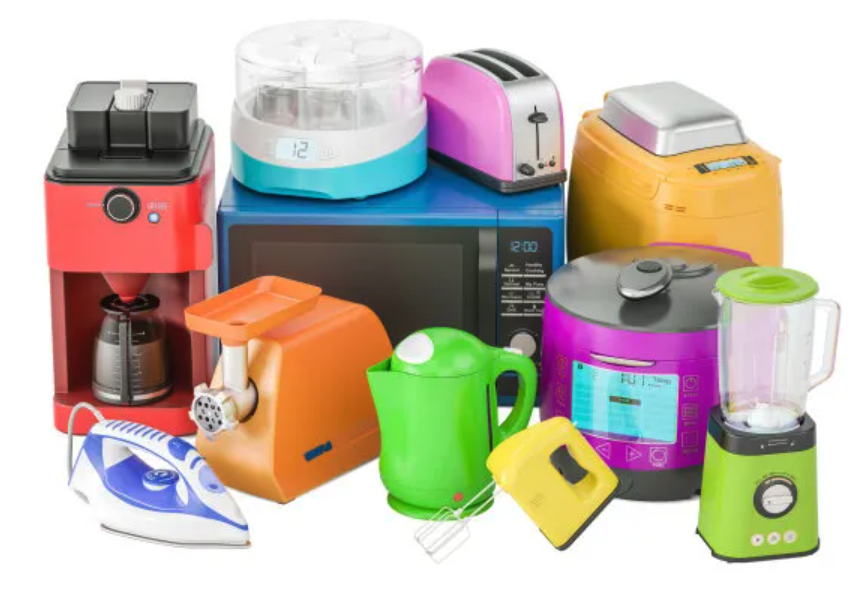
Household electronic appliances such as hair dryers, vacuum cleaners, etc., require a protective casing to provide strength, heat resistance, and a pleasing appearance. By utilizing injection molding, manufacturers can customize their casings to not only protect the appliance's internal components but also improve the aesthetics of the finished product.
Gardening and Utility Products
The use of injection molded plastics is not limited to gardening tools but also includes utility items such as containers (plant pots) and other lightweight, weather-resistant products in both indoor/outdoor settings. The nature of injection molding allows for multiple styles and textures, so a manufacturer can test multiple options across a variety of consumer tastes.
Consistency, Quality, and Design Flexibility
The injection molding process guarantees the consistency of the quality of all products made using it. Consistency is especially important in products used daily in the home. Dimensions, thickness, and surface finish can all be controlled precisely when using this method, resulting in reliable and durable products. In addition to the ability to produce consistent quality products, injection molding also provides design flexibility that enables manufacturers to develop innovative products quickly and respond quickly to changing market trends.
Future Outlook of Injection Molding in the Household Industry
As technology continues to advance, injection molding will likely see additional advancements in material, automation, and energy efficiency. These advancements will improve production capability, support sustainable manufacturing practices, and increase the number of household products manufactured by injection molding.
Household Industry
Injection molding machines are extensively utilized within the household industry to fabricate a diverse range of plastic products. These machines function by melting plastic pellets and subsequently injecting the molten material into a mold, where it cools and solidifies into the desired shape. After the initial setup and tooling costs, the cost per unit decreases with higher production volumes.
A multitude of household products manufactured by injection molding machines encompass:
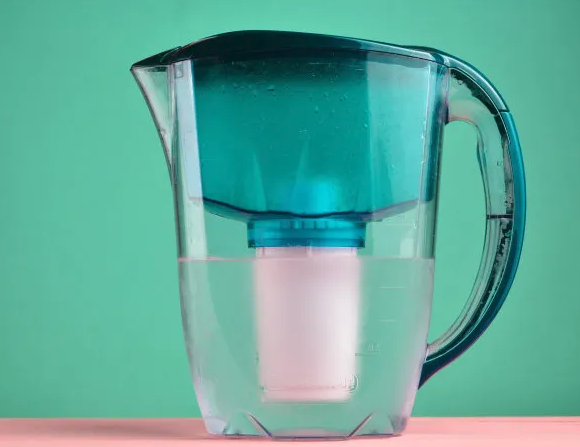
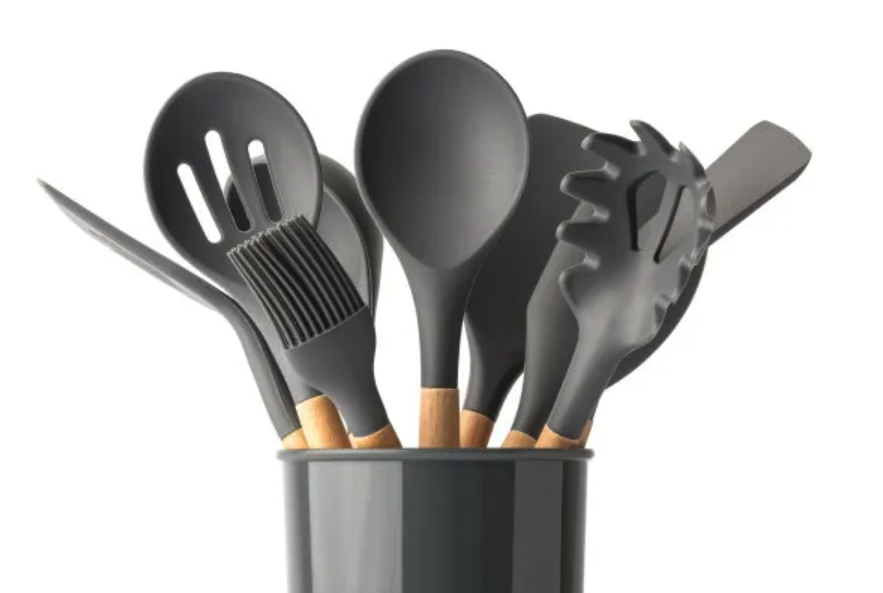
Cleaning supplies comprise buckets, brooms, dustpans, and cleaning caddies. Decorative items include vases, picture frames, and storage boxes. Storage solutions encompass shower caddies, toothbrush holders, and soap dispensers. Sanitation products include toilet brush holders, waste bins, and bathroom organizers. Chairs and tables incorporate plastic components supporting home furniture. Storage furniture comprises shelving units and storage bins. Plastic casings house electronic devices such as vacuum cleaners and hairdryers. Pots and containers serve as containers for plants.
As technological advancements continue, we anticipate further innovations in materials, design, and production techniques that will further augment the capabilities of injection molding within this sector.





 中文
中文 English
 Français
 Русский язык
 Deutsch
 Português
 español
 हिंदी
हिंदी بالعربية