Telecommunication Industry
Importance of Injection Molding in Telecommunications
The telecommunications industry relies heavily on injection molding to produce high-quality plastic components consistently and efficiently. Today’s telecommunication systems are highly complex and require components to be produced with precision, reliability, and durability; this is achieved through the use of injection molding technology. The unique ability of injection molding to create components with highly detailed geometries within strict tolerances makes it the preferred manufacturing method for telecommunication infrastructure and consumer electronics components.
Precision Manufacturing for Advanced Technology
Telecommunications equipment is commonly manufactured with complex internals and compact form factors, and therefore requires high dimensional accuracy and consistent quality throughout production. The precision provided by injection molding helps ensure that the internal components of telecommunication devices are aligned properly, maintain signal integrity, and provide the overall performance necessary for successful telecommunication operation. Additionally, injection molding allows manufacturers to integrate several features into one molded component, thereby reducing assembly time and increasing efficiencies.
Housings and Enclosures for Telecommunication Equipment
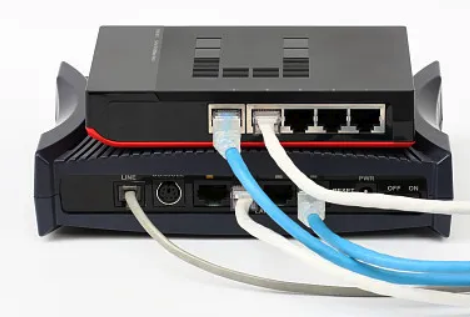
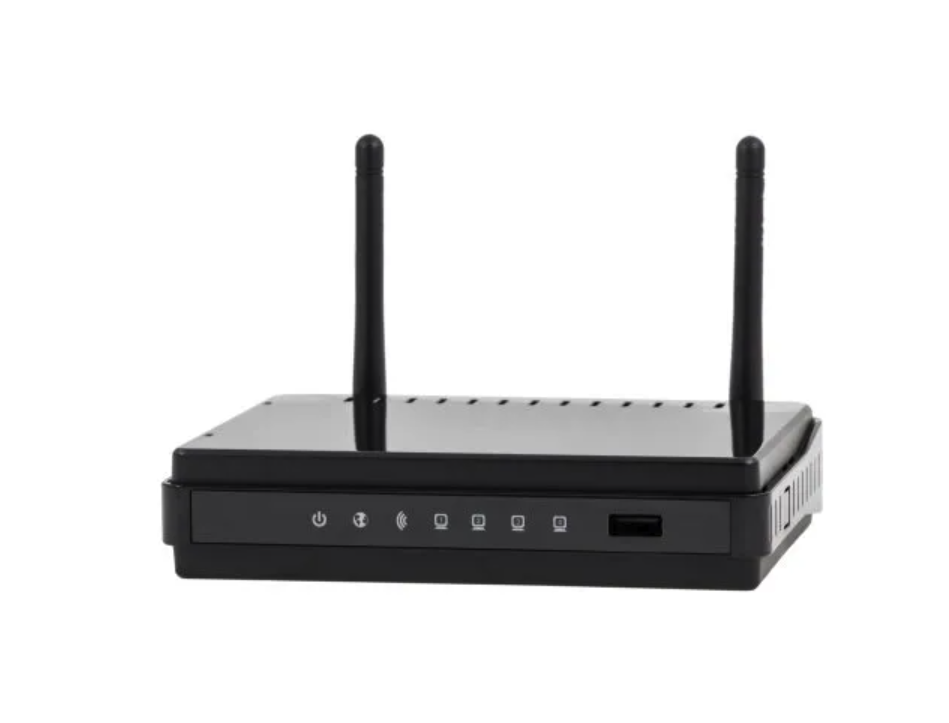
Injection molding is a common manufacturing method for making telecommunication equipment housings, such as routers, switches, modems, network servers, and base station components. The plastic casings protect the equipment from dust, moisture, heat, and physical damage. Additionally, injection-molded casings can be custom-designed to enhance thermal management while enhancing the clean and professional appearance of the telecommunication equipment. Ergonomic design is among the many benefits that injection molding provides for consumer electronics, such as mobile phones and networking devices.
Structural Supports and Internal Components
The use of injection-molded plastic components for support structures, frames, and brackets for PCBs ensures the proper and safe positioning of electronic components in telecommunication devices. These supports, which are molded accurately and consistently, help to reduce vibration, prevent damage, and ensure consistent performance in high-frequency communication systems.
Use of Engineering Plastics
Due to the high-performance characteristics of engineering plastics used in telecommunication injection molding processes, engineering plastics are the predominant materials in this industry. For example, plastics such as ABS, polycarbonate, nylon, and several other engineering plastics have good heat and impact resistance, as well as being electrically insulating. Therefore, the combination of these properties is critical for telecommunication components that will be used continuously and generate heat. Additionally, the electrical insulation property of plastics protects sensitive electronic circuits and provides safe operation.
Durability and Environmental Resistance
The telecommunication industry is characterized by equipment that experiences harsh environments due to varying temperatures, moisture content, and mechanical forces. The industry utilizes injection-molded plastics to ensure durability and long-term performance in these types of environments. Injection moulding also provides increased reliability through corrosion resistance, particularly for outdoor or industrial telecommunication installations.
Cost Efficiency and Scalability
In the telecommunication industry, injection moulding provides a cost-effective way to manufacture products, particularly when producing larger quantities of items. After developing the moulds for injection moulding, this manufacturing method produces parts in rapid time cycles with minimal waste of material and uniform quality throughout the production run. Therefore, it allows the manufacturer to keep up with the increasing global market demand while still providing competitive costs for production.
Telecommunication industry
Injection molding plays a fundamental role in the telecommunications industry, enabling the efficient production of high-quality and reliable components that are integral to the performance of telecommunications equipment and devices. Its ability to produce intricate geometries with precision makes it a preferred manufacturing method for numerous components within this sector.
In the telecommunications industry, this technique is utilized for the production of a diverse range of components and products due to its efficiency, precision, and capability to create complex shapes.
Injection molding machines are employed to fabricate housings for telecommunication equipment, such as routers, switches, and network servers. These enclosures provide protection against dust, moisture, and physical impact. Devices like modems and mobile phones benefit from injection molded casings that can be designed for optimal ergonomics and aesthetics.
Injection molded components are utilized to construct supports and brackets for circuit boards, ensuring their secure positioning within various telecommunication devices.
Engineering plastics are commonly employed in injection molding, offering properties such as heat resistance, impact resistance, and electrical insulation—all of which are crucial for telecommunications applications.





 中文
中文 English
 Français
 Русский язык
 Deutsch
 Português
 español
 हिंदी
हिंदी بالعربية