Pharmaceutical Industry
Importance of Plastic Injection Molding in Pharmaceuticals
In the pharmaceutical industry, plastic injection molding machines are essential because of their ability to produce accurate, reliable, and consistent plastic parts. Because pharmaceutical products have very strict safety, hygienic, and regulatory requirements, injection molding also provides the required precision and repeatability to meet these demands. Injection molding allows for a large-volume production of consistent plastic components that are typically found in pharmaceutical products, where product performance and dependability are paramount to customer satisfaction.
Material Flexibility and Biocompatibility
Another significant benefit of injection molding in pharmaceutical applications is the wide variety of plastic materials that can be processed. This includes all types of biocompatible and medical-grade plastics like polypropylene (PP), polyethylene (PE), polycarbonate (PC), and several other custom-plastic materials. The wide availability of materials allows for the selection of a specific plastic based on individual application needs, as it pertains to chemical resistance, sterility, clarity, and compatibility with drugs. The flexibility of material selection is critical to achieving regulatory compliance and providing customers with the most effective medicines possible.
Cost Efficiency and Scalability
The initial cost of investing in an injection molding machine or mold can be expensive, but once the setup has been completed and production has started, it becomes very cheap because the injection molding process allows for large-scale production with very little material waste, resulting in low labor costs. After the mold has been created, the cost per piece is very low, making this process a cost-effective way to manufacture drug components in large volumes for the global market.
Manufacturing of Drug Delivery Devices
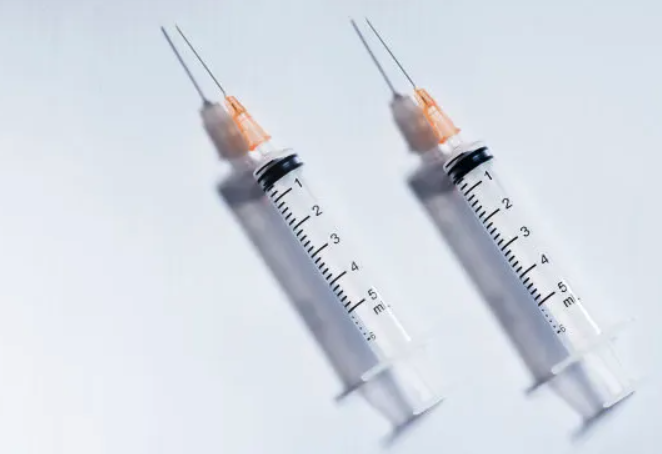
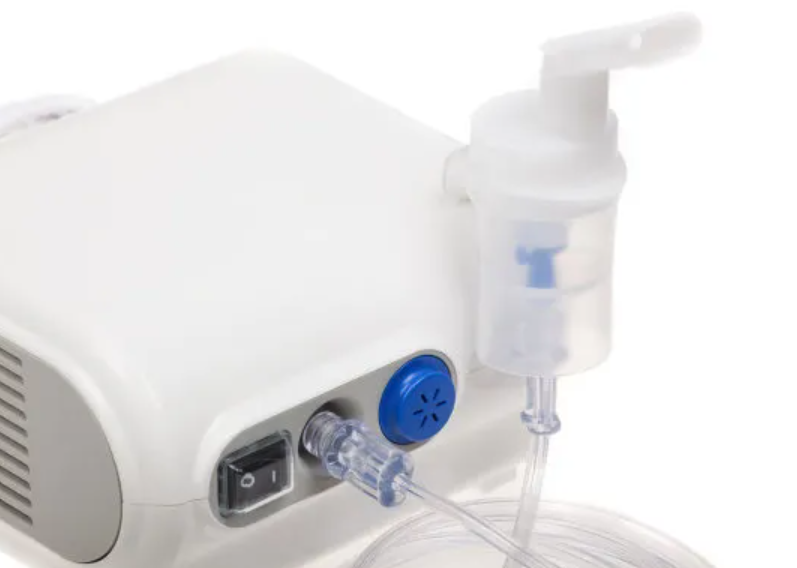
Injection molding is a common method of producing drug delivery systems, which require extreme accuracy and repeatability. Several types of drug delivery systems, including Syringes, inhalers, auto injectors, nasal sprays, infusion pumps, etc., use injection-molded parts. The injection-molding process provides a means of producing these systems with the required accuracy, sterility, and reliability. It is feasible to create injection-molded parts with very tight tolerances in repeated mass-production cycles.
Pharmaceutical Packaging Solutions
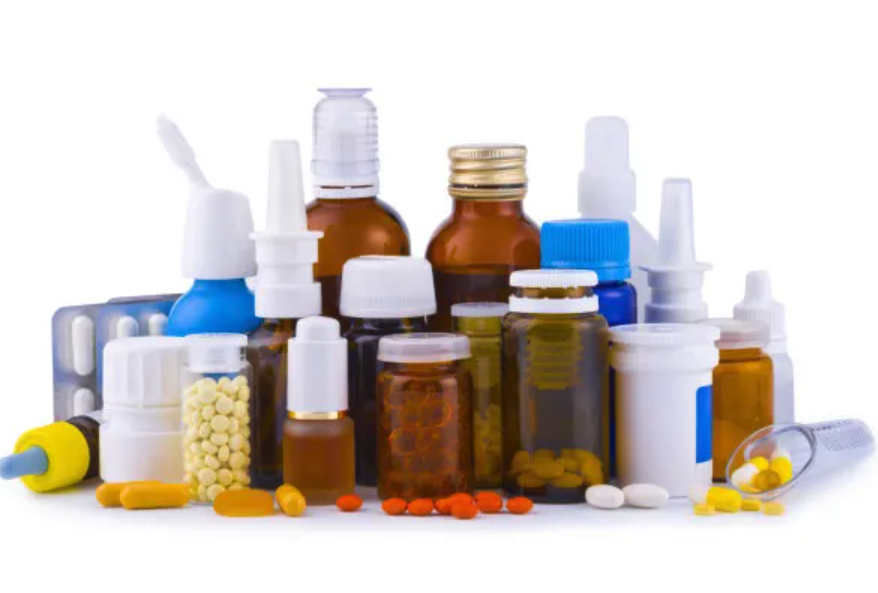
The task of packaging in relation to protecting pharmaceutical products from chemical, moisture, light, and physical damage must not be underestimated. A common manufacturing method of producing components for pharmaceutical packaging includes, but is not limited to, using Plastic Injection Moulding (PIM) to create items such as bottles, closures, caps, blister packs, and containers.
Although all items mentioned have their separate purposes, each meets stringent safety and hygiene standards while still allowing for ease of use and maintaining the integrity of the product within it. An added benefit of injection moulding is that it enables the use of tamper-evident and child-resistant designs, which increase safety for patients.
Compliance with Regulatory Standards
As per guidelines set forth by regulatory bodies, the pharmaceutical industry must follow strict guidelines regarding Good Manufacturing Practice (GMP) as well as International Quality Standards. The use of injection moulding machines will allow for clean, controlled, and repeatable production processes that adhere to these guidelines. By minimizing human interaction through the use of automated machinery, the likelihood of contamination is greatly reduced, and the quality of all manufactured parts remains consistent.
Pharmaceutical Industry
Plastic injection molding machines play a pivotal role in the pharmaceutical industry, primarily due to their ability to fabricate high-precision and high-quality plastic components that are indispensable for diverse applications.
A wide range of plastic materials, including biocompatible polymers, can be processed through injection molding, thereby enabling the selection of appropriate materials in accordance with the specific requirements of the pharmaceutical application.
Although the initial setup cost for injection molding may be substantial, it becomes cost-effective at scale due to its capacity to produce large quantities of parts with minimal waste.
1. Production of Drug Delivery Devices: Injection molding is widely employed in the manufacturing of drug delivery systems such as syringes, inhalers, and auto-injectors. These devices necessitate precision and reliability, making injection molding an ideal process.
2. Packaging Components: Pharmaceutical packaging must adhere to stringent safety and hygiene standards. Injection molding is utilized to produce packaging solutions, such as bottles, caps, and blister packs that safeguard medications from contamination and degradation.
The utilization of plastic injection molding machines in the pharmaceutical industry supports the development and production of safe, effective, and reliable medical products that adhere to stringent regulatory standards.

 中文
中文 English
 Français
 Русский язык
 Deutsch
 Português
 español
 हिंदी
हिंदी بالعربية